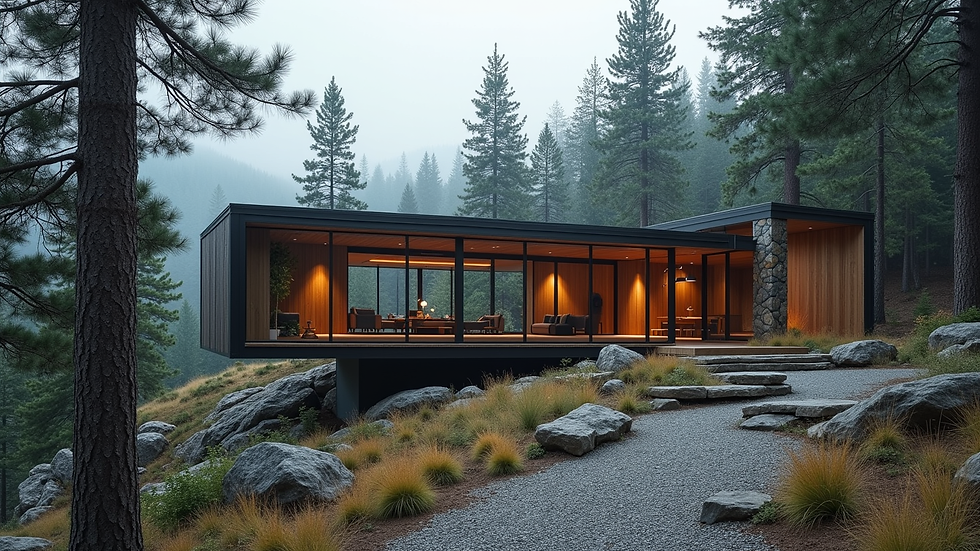
The Future of Construction with Eco-Conscious Innovations
- Ajay Kumar
- Jun 4, 2025
- 3 min read
The construction industry is often seen as a contributor to environmental degradation, but that narrative is rapidly changing. With the rise of eco-conscious innovations, the future of construction looks greener than ever. Builders, architects, and engineers are harnessing new technologies and sustainable practices to create structures that benefit both people and the planet.
Eco-Conscious Innovations in Building Materials
One of the most significant advancements in eco-conscious construction is the development of sustainable building materials. Traditional construction materials like concrete and steel have high carbon footprints due to their production processes. However, innovators are now turning to alternatives that are more environmentally friendly.
For instance, bamboo is emerging as a popular building material due to its rapid growth and strength. Not only is it renewable, but it also sequesters carbon, making it a great choice for environmentally conscious builders. Similarly, recycled materials like reclaimed wood and repurposed metals reduce waste and provide beautiful aesthetic options.

These materials not only help reduce the environmental impact of construction but also enhance energy efficiency. Using insulating materials, such as straw bales and rammed earth, helps maintain comfortable indoor temperatures while minimizing heating and cooling costs.
The Role of Smart Technologies
Incorporating smart technology into construction is another vital aspect of eco-conscious innovations. Smart homes equipped with energy-efficient systems allow homeowners to monitor and manage their energy use effectively. For instance, smart thermostats can adjust heating and cooling settings based on occupancy, saving energy and reducing utility bills.
Moreover, using Building Information Modeling (BIM) enhances the design process by providing detailed 3D models. This technology allows architects and builders to visualize a project at every stage, ensuring flaws are spotted and corrected before construction begins. By streamlining processes, BIM can significantly cut down waste and lower costs.

Sustainable Construction Practices
Beyond materials and technologies, sustainable construction practices are crucial for creating eco-conscious buildings. Innovations like modular construction—where buildings are constructed off-site in sections and then assembled—minimize waste and reduce construction time.
Statistics reveal that modular construction can cut material waste by up to 90%. This practice not only benefits the environment but also expedites the building process, allowing structures to be completed faster and at reduced costs.
Additionally, the integration of green roofs and living walls into urban buildings serves multiple purposes. These features not only improve insulation and reduce the urban heat island effect but also promote biodiversity and enhance aesthetics.
Water Conservation Technologies
Water conservation is another critical area where eco-conscious innovations are making a significant impact. Construction is a water-intensive industry, but sustainable practices are changing that. Techniques such as rainwater harvesting and greywater recycling systems can drastically reduce water consumption in buildings.
Employing low-flow fixtures and appliances is another way to conserve water. For example, dual-flush toilets and water-efficient faucets can cut indoor water use by more than 25%. These improvements not only help in conserving water resources but also lower utility bills for residents.

Energy Efficiency and Renewable Energy Sources
Energy efficiency is a key component of eco-conscious innovations in construction. The incorporation of renewable energy sources, like solar panels and wind turbines, into building designs helps to reduce reliance on fossil fuels.
Today, buildings can generate their own energy, turning from traditional consumers of energy into producers. Statistics show that buildings equipped with solar panels can cut energy costs by up to 70%. This shift not only benefits homeowners financially but also significantly reduces carbon footprints.
To further enhance energy efficiency, thorough insulation and energy-efficient windows can contribute to maintaining comfortable indoor conditions without excessive energy expenditure. With these advances, it's easier than ever for builders to create structures that are not just livable, but also sustainable.
Transitioning Towards Eco-Conscious Construction
While the future of construction looks promising with eco-conscious innovations, transitioning to these practices requires a concerted effort from all stakeholders. Policymakers must incentivize green building initiatives through grants, tax breaks, or subsidies. Community awareness will also play a crucial role in promoting sustainable building practices.
For those interested in pursuing eco-friendly building solutions, there are many resources available. Various organizations and websites provide guidelines and support for implementing sustainable practices in construction. Engaging with the community—whether through educational workshops or local initiatives—can catalyze change at a larger scale.
The integration of energy-efficient systems and sustainable materials will revolutionize the industry. Builders can reduce their environmental impact while creating comfortable, cost-effective homes and facilities. Investing in these innovations not only benefits the planet but ensures a better future for generations to come.
By embracing these eco-conscious innovations, we can shift the construction industry from an environmental burden to a model of sustainability. With ongoing advancements and a commitment to changing practices, the future of construction is bright and green.