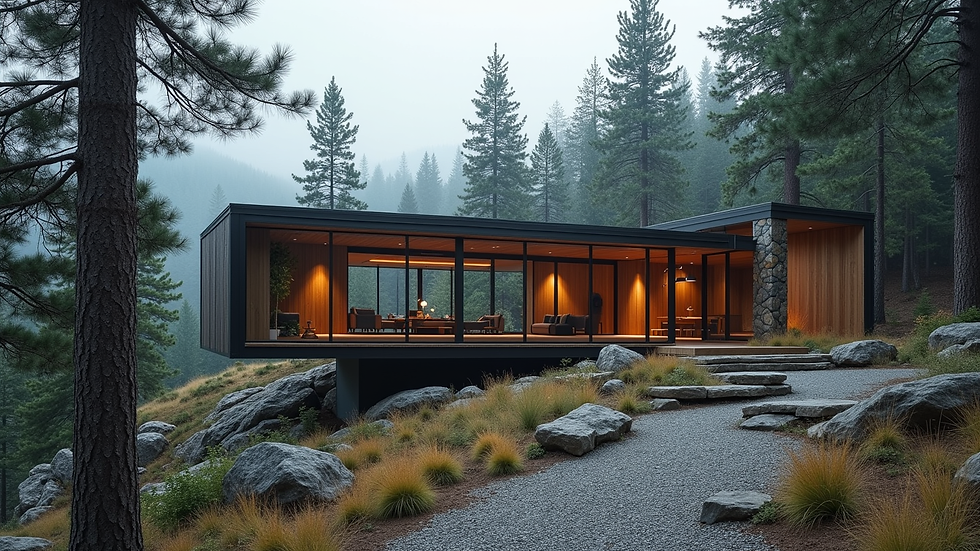
Designing Spaces with the Environment in Mind
- Ajay Kumar
- Jul 14, 2025
- 3 min read
Creating spaces that respect and enhance the environment is not just a trend—it's a necessity. As our awareness of climate change and resource depletion grows, so does our commitment to sustainable living. Designing with the environment in mind means making conscious choices that resonate with our ecological responsibility. This blog post explores the principles of eco-friendly design and how you can implement them in your home, office, or community space.

What is Eco-Friendly Design?
Eco-friendly design incorporates practices and materials that reduce the negative impact on the environment. This approach aims to create sustainable, healthy, and efficient spaces that foster a balanced relationship between humans and nature. Simple changes in design can lead to significant benefits, like reduced energy consumption, improved indoor air quality, and a lower carbon footprint.
The foundation of eco-friendly design lies in three core principles: sustainability, efficiency, and usability. To embrace these principles, think about every aspect of the space—from the materials you select to how the layout fosters natural light and airflow.
Improving energy efficiency, for instance, can be as straightforward as choosing the right windows or investing in good insulation.
Benefits of Eco-Friendly Design
There are myriad benefits to eco-friendly design that extend beyond environmental conservation. Here are a few key advantages:
Healthier Living Spaces: Spaces designed with the environment in mind promote better air quality by using non-toxic materials and providing adequate ventilation. Studies show that people in green buildings report fewer health problems.
Reduced Energy Costs: Implementing energy-efficient systems can lead to significant cost savings. Energy Star-rated appliances and solar power options can reduce monthly utility bills significantly.
Increased Property Value: Properties with sustainable design features tend to have a higher market value. Homebuyers are often willing to pay a premium for homes designed with eco-friendly principles.
Positive Environmental Impact: By choosing sustainable materials, you help decrease resource depletion and waste. Each eco-friendly choice adds up to a broader positive impact on the planet.

Essential Elements of Eco-Friendly Design
When implementing eco-friendly design, consider adopting a mix of elements that work harmoniously together. Here are some key components to integrate:
1. Sustainable Materials
Using sustainably sourced materials minimizes environmental impact. Opt for recycled, reclaimed, or rapidly renewable materials like bamboo and cork. According to a report by the World Wildlife Fund, selecting sustainable materials can reduce your footprint significantly.
2. Efficient Use of Space
Designing smaller spaces efficiently can reduce energy consumption. Open layouts with multifunctional furniture allow for more livable space without excessive square footage. Consider furniture that can be easily reconfigured or folded away when not in use.
3. Natural Lighting and Ventilation
Maximizing natural light reduces reliance on artificial lighting and enhances your mood. Large windows and skylights can brighten spaces while providing ventilation. Good airflow is crucial; it prevents mold and maintains indoor air quality.
4. Sustainable Landscaping
Your outdoor space can reflect eco-friendly principles too. Use native plants that require less water and maintenance. Creating a xeriscaped garden can conserve water while providing a beautiful green space.
5. Energy-Efficient Systems
Investing in energy-efficient appliances, lighting, and HVAC systems is imperative. Energy-efficient designs not only reduce energy consumption but also can leverage renewable energy sources like solar power.
Practical Steps to Design Eco-Friendly Spaces
Here are some actionable recommendations you can apply, whether you are designing a new space or renovating an existing one:
Conduct a Energy Audit: Start by assessing your current energy usage. Understanding where energy is wasted can highlight opportunities for improvements.
Choose Eco-Friendly Paint: When painting, select low-VOC (volatile organic compound) paints to maintain good air quality.
Invest in Smart Technology: Smart thermostats, LED lighting, and energy-efficient appliances can help streamline energy consumption and minimize waste.
Consult with Experts: Collaborate with architects and designers who specialize in eco-friendly practices. Their expertise can guide you on materials, zoning laws, and efficient designs.

Additional Resources for Eco-Friendly Design
For those looking to expand their knowledge on eco-friendly design, a wealth of resources is available. Books, workshops, and online courses offer insights into sustainable practices and current trends.
Additionally, websites like the Studio Mountain Range Blog provide valuable information on eco-friendly building design, showcasing real-life applications and case studies.
Making Eco-Friendly Choices
The most crucial aspect of eco-friendly design is the choice to make sustainable decisions. Each individual can contribute to a healthier planet through conscious design. Start small—whether planting a tree, choosing sustainable materials for your projects, or promoting the concept of green buildings in your community.
As we continue to face environmental challenges, designing spaces with the environment in mind becomes increasingly vital. Through collaborative efforts, creative approaches, and a commitment to sustainability, we can create spaces that not only look beautiful but also care for our planet.
Choosing to embrace eco-friendly design is not only about aesthetics; it’s about making a commitment to a sustainable and responsible future. Let’s work together to design spaces that honor and protect our natural world.