
Showcasing Modern Mountain Architecture Portfolio with Modern Designs
- Ajay Kumar
- Mar 27
- 4 min read
When I first began exploring architectural designs inspired by mountains, I was captivated by how modern designs blend natural beauty with innovative construction. These designs are not just about aesthetics; they embody sustainability, functionality, and harmony with the environment. Today, I want to share insights into this fascinating niche, highlighting how architects are transforming mountain landscapes into stunning living and working spaces.
Embracing Modern Mountain Designs: A New Era in Architecture
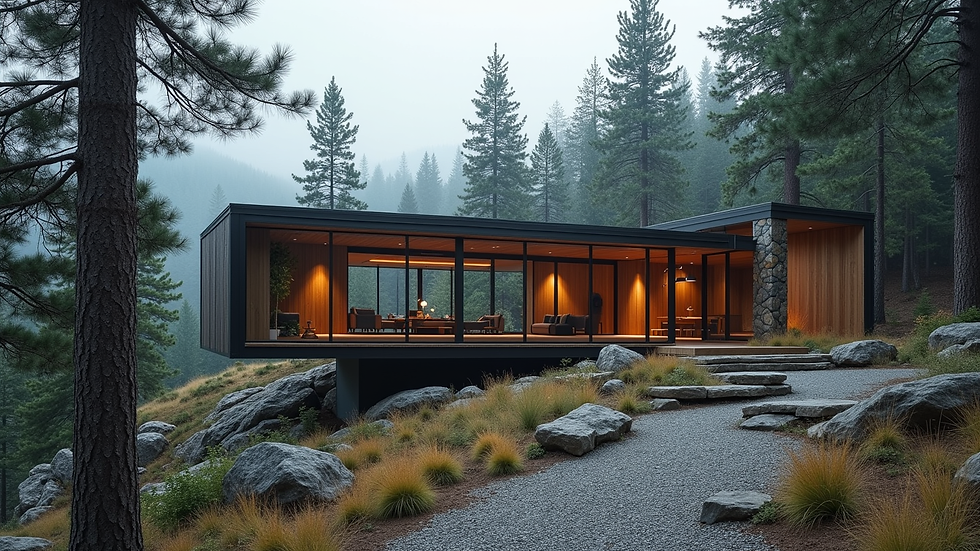
Modern mountain designs are reshaping how we think about building in challenging terrains. These designs prioritize sustainability, energy efficiency, and integration with nature. For example, many architects use locally sourced materials like stone and timber, which reduce transportation emissions and help structures blend seamlessly with their surroundings.
One striking trend is the use of large glass panels that offer panoramic views of the mountains while maximizing natural light. This approach not only enhances the occupant's connection to nature but also reduces the need for artificial lighting during the day.
In addition, modern mountain designs often incorporate green roofs and rainwater harvesting systems. These features help manage water resources efficiently and provide insulation, reducing heating and cooling costs. According to a 2023 report by the Green Building Council, buildings with such sustainable features can reduce energy consumption by up to 40%.
What is an Architect Portfolio?
An architect portfolio is a curated collection of an architect’s best work. It showcases their skills, creativity, and design philosophy. For those interested in modern mountain designs, a portfolio offers a window into how architects approach complex mountain terrains and incorporate sustainable practices.
A well-crafted portfolio includes detailed project descriptions, sketches, 3D renderings, and photographs of completed buildings. It also highlights the challenges faced during construction and the innovative solutions applied. For instance, an architect might explain how they designed a foundation to withstand mountain soil erosion or how they optimized natural ventilation in a high-altitude home.
For clients, reviewing an architect’s portfolio is essential. It helps them understand the architect’s style and expertise, ensuring their vision aligns with the architect’s capabilities.
Key Elements of Modern Mountain Architecture
When designing for mountain environments, architects must consider several unique factors:
Topography and Terrain
Mountainous landscapes are uneven and often steep. Architects use advanced surveying tools and 3D modeling to design structures that fit naturally into the terrain, minimizing excavation and preserving the landscape.
Climate Adaptation
Mountain climates can be harsh, with cold winters and intense sunlight. Modern designs incorporate insulation, thermal mass, and shading devices to maintain comfortable indoor temperatures year-round.
Sustainability
Using renewable energy sources like solar panels and geothermal heating is common. Additionally, architects focus on water conservation and waste reduction to lessen environmental impact.
Material Selection
Durable, weather-resistant materials such as stone, concrete, and treated wood are preferred. These materials withstand mountain weather conditions and age gracefully.
Views and Natural Light
Positioning buildings to maximize views and daylight is crucial. Architects often design open floor plans with large windows facing scenic vistas.
By focusing on these elements, architects create homes and commercial spaces that are not only beautiful but also resilient and eco-friendly.

Practical Tips for Homeowners and Businesses Considering Mountain Architecture
If you’re thinking about building or renovating in a mountain area, here are some practical recommendations:
Choose an Experienced Architect
Look for architects with proven expertise in mountain designs. Their portfolio will reveal their ability to handle site-specific challenges.
Prioritize Sustainability
Incorporate energy-efficient systems and eco-friendly materials. This approach reduces long-term costs and environmental impact.
Plan for Accessibility
Mountain sites can be difficult to access. Ensure your design includes safe and convenient pathways, especially if the property will host visitors or clients.
Consider Local Regulations
Mountain regions often have strict building codes to protect the environment. Work closely with local authorities to ensure compliance.
Invest in Quality Insulation and Ventilation
Proper insulation keeps interiors warm during cold months, while ventilation prevents moisture buildup and maintains air quality.
Maximize Outdoor Living Spaces
Decks, terraces, and patios allow you to enjoy the mountain scenery and fresh air, enhancing your connection to nature.
By following these tips, you can create a mountain property that is both functional and inspiring.
The Future of Mountain Architecture in India
India’s diverse geography offers immense opportunities for modern mountain designs. While Himachal Pradesh has traditionally been the hub for mountain architecture, there is growing interest across other regions like Uttarakhand and Sikkim. This expansion is driven by increasing demand for sustainable tourism resorts, eco-friendly homes, and institutional buildings that respect the natural environment.
Mountain Range Architects aims to lead this transformation by combining local knowledge with global design trends. Their work reflects a commitment to innovation, sustainability, and client collaboration. By embracing new technologies such as BIM (Building Information Modeling) and renewable energy integration, they are setting new standards for mountain architecture in India.
As more people recognize the value of living and working in harmony with nature, modern mountain designs will continue to evolve. This evolution promises not only stunning architecture but also healthier, more sustainable communities in mountain regions.
Bringing Your Mountain Vision to Life
If you are inspired by the possibilities of modern mountain designs, the next step is to connect with architects who specialize in this field.
Remember, successful mountain architecture requires a balance of creativity, technical expertise, and respect for the environment. By choosing the right team and focusing on sustainable practices, you can create a space that truly reflects the beauty and spirit of the mountains.
Whether you are planning a private residence, a commercial retreat, or an institutional facility, modern mountain designs offer endless opportunities to innovate and inspire. I encourage you to explore this exciting architectural frontier and discover how your mountain dream can become a reality.


