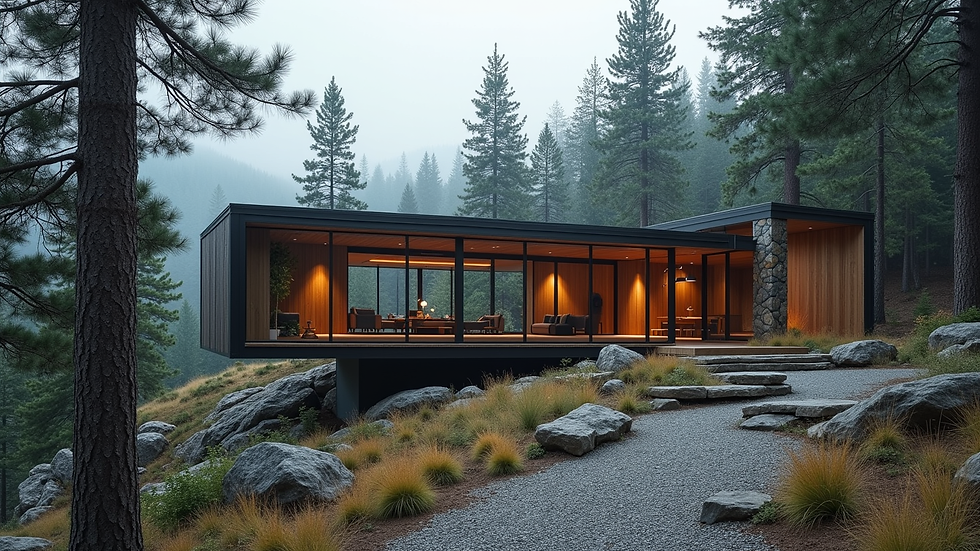
Exploring the Fusion of Minimalism and Vernacular Architecture in Modern Design
- Ajay Kumar
- Jul 8, 2025
- 4 min read
In recent years, the architectural landscape has seen a remarkable transformation, embracing a variety of styles and principles. Among these, the combination of minimalism and vernacular architecture has emerged as an exciting path for designers and architects. This fusion allows modern designs to evoke a sense of place while focusing on simplicity and functionality. In this post, we will examine the core principles of both styles, explore their intersection, and discuss contemporary examples that embody this creative blend.
Understanding Minimalism
Minimalism is a design philosophy that favors simplicity and the idea that "less is more." Characterized by clean lines, open spaces, and a limited color palette, minimalism aims to eliminate excess and focus on what truly matters. This approach not only enhances aesthetic appeal but also fosters a sense of calm and mindfulness in our living spaces.
In minimalist design, modern materials and technologies play a crucial role. Natural light and open spaces are prioritized, creating an environment that feels both airy and spacious. For example, homes designed with floor-to-ceiling windows often create seamless transitions between indoor and outdoor spaces, allowing sunlight to flood the living areas, which can lead to energy savings of up to 30% compared to homes that rely heavily on artificial lighting.
The Essence of Vernacular Architecture
Vernacular architecture encompasses the building styles and methods that are specific to a region or culture. It includes local materials, traditional craftsmanship, and building techniques adapted to the local climate. This architectural style emphasizes sustainability and is deeply rooted in the community's needs.
Vernacular buildings are often a reflection of the culture and history of their locations. For example, adobe houses in the southwestern United States use local clay and earth to provide natural insulation. This building method has been proven to maintain comfortable indoor temperatures while reducing energy consumption by up to 40%.
Bridging the Gap: Minimalism Meets Vernacular Architecture
The intersection of minimalism and vernacular architecture presents a fascinating exploration of contrasting yet complementary ideas. By incorporating the simplicity and tranquility of minimalism while celebrating the cultural richness of vernacular architecture, designers can craft environments that feel both modern and deeply connected to histories and traditions.
This blend does not aim to erase the importance of vernacular architecture; instead, it enhances its significance through refined, minimalist principles. Designers focus on removing non-essential elements, showcasing the beauty of local materials, and honoring traditional building techniques relevant to the community.
Practical Applications of the Fusion
The implementation of minimalism alongside vernacular architecture can be seen in various practical applications, enhancing both style and function within contemporary design.
Use of Local Materials: Modern structures increasingly utilize locally sourced materials, which not only resonate with the essence of vernacular architecture but also adhere to minimalist principles. A striking example is in hillside cabins that use timber harvested from nearby forests, ensuring both aesthetic appeal and environmental sustainability.
Functional Open Spaces: Architects can create designs that promote natural interaction while respecting the utility inherent in vernacular designs. For instance, an open floor plan may incorporate areas for communal gathering, echoing traditional layouts while maintaining a minimalist feel.
Contemporary Examples of the Fusion
Several modern architects successfully blend these two styles, creating exciting structures that highlight this enriching combination.
Example 1: The T House
Location: Japan
The T House magnificently illustrates the blending of minimalist design and vernacular architecture. With its clean lines and open layout, this home employs natural wooden elements inspired by traditional Japanese building techniques. The expansive windows not only allow natural light to illuminate the interior but also link the home seamlessly with the beautiful outdoors.

Example 2: The M House
Location: Mexico
The M House showcases a thoughtful integration of local materials and minimalistic design. Constructed from clay and stone, this home reflects the warmth and texture of traditional Mexican vernacular architecture. At the same time, it offers spacious, uncluttered interiors that promote mindfulness and simplicity.

Example 3: The G House
Location: Scandinavia
The G House exemplifies the fusion of Scandinavian minimalism with regional vernacular design elements. By focusing on natural materials and efficient use of space, this home promotes sustainable living while respecting its environmental context. Its design captures the serene essence associated with minimalism, creating a peaceful retreat.

The Future of Architectural Design
As architecture evolves, the combination of minimalism and vernacular architecture offers an exciting path that many designers and architects are exploring. This blend encourages a deeper appreciation of cultural identity while fostering sustainable practices. It creates spaces that are not only beautiful but also meaningful and functional.
By thoughtfully integrating local materials, traditional techniques, and modern minimalism, architects can pave the way for an architectural revolution that honors the past while embracing the future. This approach allows us to craft environments that reflect our diverse narratives while promoting sustainability in contemporary architecture.
Final Thoughts
The exploration of minimalism and vernacular architecture reveals the potential for creating spaces that resonate with both history and modernity. Blending these two styles allows architects to design environments that prioritize functionality while celebrating local contexts. This results in a rich architectural experience that caters to contemporary needs while honoring age-old traditions.
As the world shifts towards more conscious living, the fusion of minimalism with vernacular architecture serves as an inspiring blueprint for future design endeavors. By harnessing the strengths of both philosophies, we can create meaningful spaces that celebrate culture and promote simplicity and sustainability.