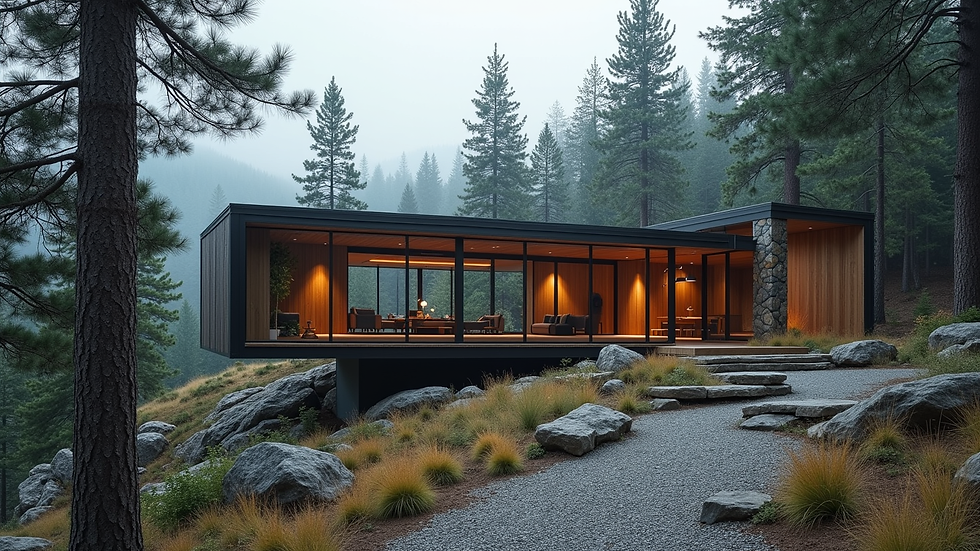
How Sustainable Practices Transform Building Designs
- Ajay Kumar
- May 26, 2025
- 4 min read
As the conversation surrounding climate change grows louder, sustainable practices in architecture have emerged as a vital solution to reducing our carbon footprint. The AEC (Architecture, Engineering, and Construction) industry is taking significant strides to incorporate eco-friendly designs that not only meet the needs of today's society but also protect the environment for future generations. The integration of sustainability into building practices enhances the lifespan of structures and contributes to the well-being of the people who inhabit them.
Understanding Sustainable Practices
Sustainable practices in architecture involve creating structures that are environmentally responsible and resource-efficient throughout their life cycle. This includes everything from planning, design, and construction to operation, maintenance, and eventual demolition. The goal is to create spaces that minimize negative impacts on the environment and provide positive benefits to society.
For example, the use of renewable materials, energy-efficient systems, and sustainable site planning can significantly reduce the environmental impact of a building. According to the World Green Building Council, buildings are responsible for 39% of carbon emissions globally. By adopting sustainable practices, we are not only working towards healthier ecosystems but also ensuring economic viability. In fact, the U.S. Green Building Council argues that green buildings can reduce operational costs by 20-50%.

The Impact of Sustainable Practices on Building Design
So how do sustainable practices transform building designs? Here are a few key areas to consider:
1. Energy Efficiency
Energy-efficient designs minimize the energy consumption of a building. This can be achieved through various strategies such as:
Proper insulation: Ensures temperature regulation, reducing the need for heating and cooling.
Solar panels: Use renewable energy to power a building.
Energy-efficient windows: Reduce heat loss/gain and lower energy costs.
A study by the Rocky Mountain Institute found that buildings designed with energy efficiency in mind can save up to $1 trillion over the next 10 years in energy costs.
2. Water Conservation
Water-sensitive designs focus on reducing water consumption and utilizing rainwater harvesting systems. For example, installing low-flow fixtures and using drought-resistant landscaping can significantly decrease water waste. The U.S. Environmental Protection Agency (EPA) estimates that water-efficient devices can save about 3.6 billion gallons of water a day across the United States.

3. Sustainable Materials
The choice of building materials plays a vital role in sustainable design. Using renewable resources like bamboo, recycled steel, or local materials can decrease the carbon footprint of a building. Additionally, sustainable architecture designs emphasize the importance of non-toxic and low-VOC (volatile organic compounds) materials to improve indoor air quality.
According to a report by McGraw Hill Construction, 44% of contractors said they are currently using sustainable materials, and this trend is only expected to grow.
4. Improved Air Quality
Buildings designed with sustainability in mind use materials and technologies that promote better indoor air quality. Proper ventilation systems, low-VOC paints, and moisture control systems help create a healthier environment for occupants. The Centers for Disease Control and Prevention (CDC) reports that poor indoor air quality can lead to various health issues, making this a critical aspect of sustainable design.
5. Enhanced Comfort and Productivity
Studies reveal that sustainable buildings can positively impact occupant comfort and productivity. For instance, natural lighting, better acoustics, and thermal comfort contribute to a pleasant atmosphere. A report from the World Green Building Council indicates that better ventilation and air quality can boost productivity by up to 11%.
What are the 7 Principles of Sustainable Construction?
Understanding the foundational principles of sustainable construction can provide further clarity on how to implement sustainable practices in building design:
Site Selection: Choose locations that minimize the impact on natural habitats and ecosystems.
Resource Efficiency: Optimize the use of materials, energy, and water during construction.
Life Cycle Impact: Assess the environmental impacts of a structure throughout its life cycle.
Energy Conservation: Design buildings to use as little energy as possible while still maintaining comfort.
Material Selection: Choose renewable, recycled, and low-impact materials.
Water Efficiency: Implement measures that promote water conservation.
Sustainability Education: Encourage knowledge-sharing and education among architects, builders, and clients about sustainable practices.
By integrating these principles, architects and builders can create spaces that are not only functional but also contribute positively to the environment and society.

The Role of Technology in Sustainable Practices
Technology plays a crucial role in transforming building designs through sustainability. Innovations such as Building Information Modeling (BIM) allow designers to simulate the performance of a building before it is constructed. This helps to identify potential issues in energy consumption or material use, allowing for adjustments in the planning stages.
Smart technology also enhances sustainability in buildings. Smart thermostats, energy management systems, and automated lighting can significantly reduce energy waste and improve comfort levels. By 2023, it is predicted that smart building technologies will continue to transform the landscape of construction through enhanced efficiency and real-time data monitoring.
The Future of Sustainable Practices in Building Design
As awareness of climate change rises, the demand for sustainable practices in architecture will continue to grow. Regulations and building codes are evolving to prioritize sustainability, pushing the AEC industry towards greener solutions. Many urban areas now have green building certifications available, offering recognition to projects that demonstrate exceptional commitment to sustainable practices.
Furthermore, green finance options are becoming available, allowing builders to access funding dedicated to sustainable projects. This financial incentive encourages more widespread adoption of eco-friendly designs.
As we continue to innovate and embrace sustainable practices, the built environment has the potential to become a significant ally in combatting climate change. The very framework of our buildings can reflect our commitment to preserving our planet.
Embracing Sustainable Designs for a Better Future
In conclusion, the transformation of building designs through sustainable practices is not just an environmental necessity but also an opportunity for innovation and progress. Sustainable architecture contributes to communities, economies, and the planet's health. By focusing on energy efficiency, material selection, water conservation, and occupant health, we can create not just buildings, but sustainable environments that thrive for generations to come.
The journey towards sustainable living starts with informed choices. As architects, builders, and consumers, each decision contributes to a wider impact on the world. Embrace sustainable practices today, and let’s build a better tomorrow.